

Archaeological sites in NW Africa are rich in human fossils and artefacts, emerging at the forefront of evolutionary studies. However, these records are difficult to underpin by a detailed chronology, preventing assessments of the timing/causes of cultural/behavioural transitions.
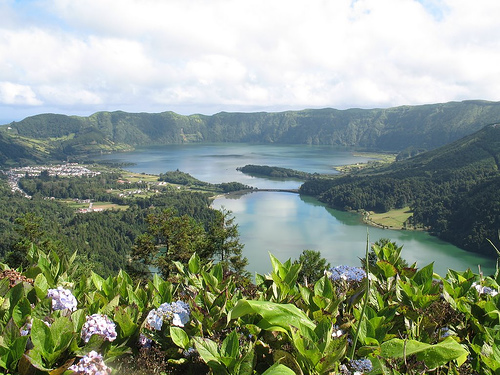
Investigations reveal numerous volcanic ash layers (commonly known as tephra) are interbedded within the Palaeolithic sequences, and are likely to have originated from large volcanic eruption in the Atlantic (e.g., the Azores and Canary Islands). Critically these widespread ash layers are also preserved in offshore marine records, meaning the ash can be used as chronological markers to compare the archaeological and climate sequences.
This presentation outlines the project investigations undertaken to establish the eruptive history of the source volcanoes in the North Atlantic and the detailed work undertaken to capitalise on the use of widespread tephra layers.
About the Speaker

Dr Danielle McLean is a postdoctoral researcher in the Oxford Tephrochronology Research Group at the School of Archaeology. In 2021 she received a Leverhulme Early Career Fellowship to assess the opportunities of using widespread volcanic ash layers to link archaeological and climate records in Northwest Africa. This fellowship ran in conjunction with the Leverhulme-funded CAVES Africa Project which examines the potential impact of climate change on early modern humans over the last 300,000 years. This work was also supported by BILNAS which funded fieldwork and publication opportunities for several of the CAVES group members.