

The Middle Jurassic is a critical time in the evolution of the dinosaurs because it witnessed the radiation of many groups, giving rise to a diversity of familiar forms such as the plated stegosaurs and the long-necked sauropods.
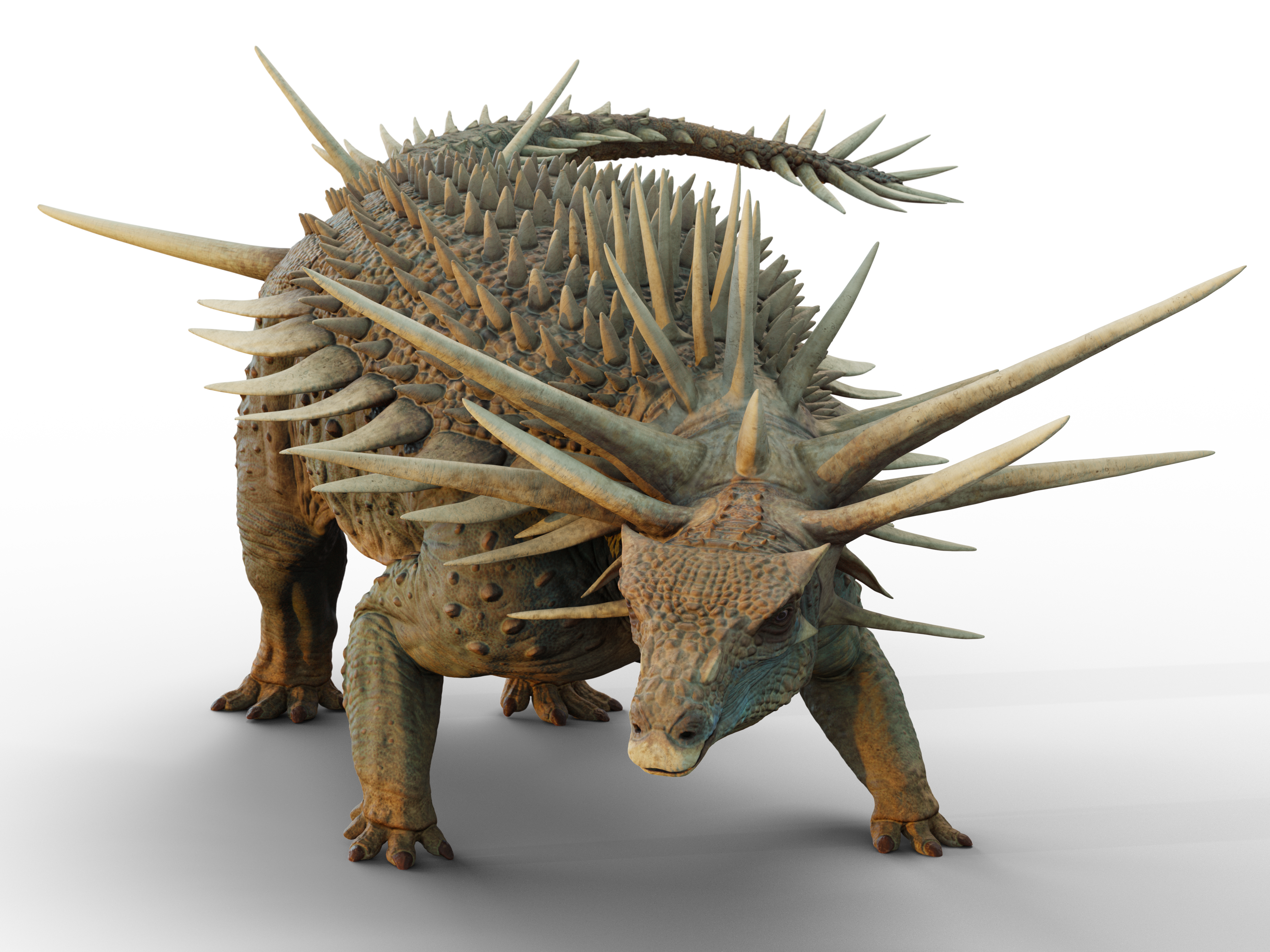
However, this diversification is shrouded in mystery because the Middle Jurassic is poorly sampled, mainly due to a paucity of terrestrial Middle Jurassic rocks across North America and Europe. In 2017 and 2018, the NHM acquired a couple of enigmatic specimens, purportedly from the Middle Jurassic of Morocco. Working with colleagues at the University in Fes, we were able to trace the specimens to the El Mers III Formation, a suite of terrestrial rocks of Middle Jurassic age that were entirely unexplored by vertebrate palaeontologists. We described the NHM specimens as the first stegosaur from north Africa, and the world’s oldest ankylosaur and first ever discovered in Africa.
Our subsequent work in the area, much of it funded by BILNAS, has revealed that the El Mers III Formation is incredibly fossiliferous and it may represent the best preserved Middle Jurassic terrestrial ecosystem on Earth. In 2023, we excavated new partial skeleton of the ankylosaur, which demonstrates it had a morphology unlike any animal living or extinct, and challenging our understanding of the evolution of armour in these dinosaurs.
Working in Morocco, however, is not without challenges. There are no natural history museums in which to reposit our finds, no prep labs, and no vertebrate palaeontologists working in the country, while a thriving commercial trade results in illegal excavations at our sites. Working with our colleagues, we have established a university collection, have trained students in fossil preparation, and are now working with them to establish protections for the fossils in the region.
This event will take place online via the Zoom platform: please REGISTER HERE to attend.
About the Speaker
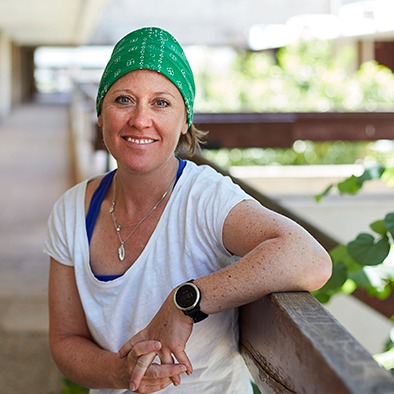
Prof Susannah Maidment is a vertebrate palaeontologist and Principal Researcher in Fossil Reptiles at the Natural History Museum, UK. Her work focuses on the palaeobiology of the bird-hipped ‘ornithischian’ dinosaurs, including iconic species like Stegosaurus and Iguanodon. She also studies the palaeoenvironments in which dinosaurs and other Mesozoic vertebrates are found, with field areas in Morocco, Kyrgyzstan and the western USA. She has a degree in geological sciences from Imperial College, a PhD in vertebrate palaeontology from the University of Cambridge, and she holds an honorary Professorship in palaeobiology at the University of Birmingham. She regularly appears in the media talking about dinosaurs, and in 2019 was one of National Geographic UK’s Women of Impact. In 2016 she was awarded the Palaeontological Association’s Hodson Award, and in 2017 the Geological Society’s Lyell Fund, both for notable contributions by an early career researcher.